
-
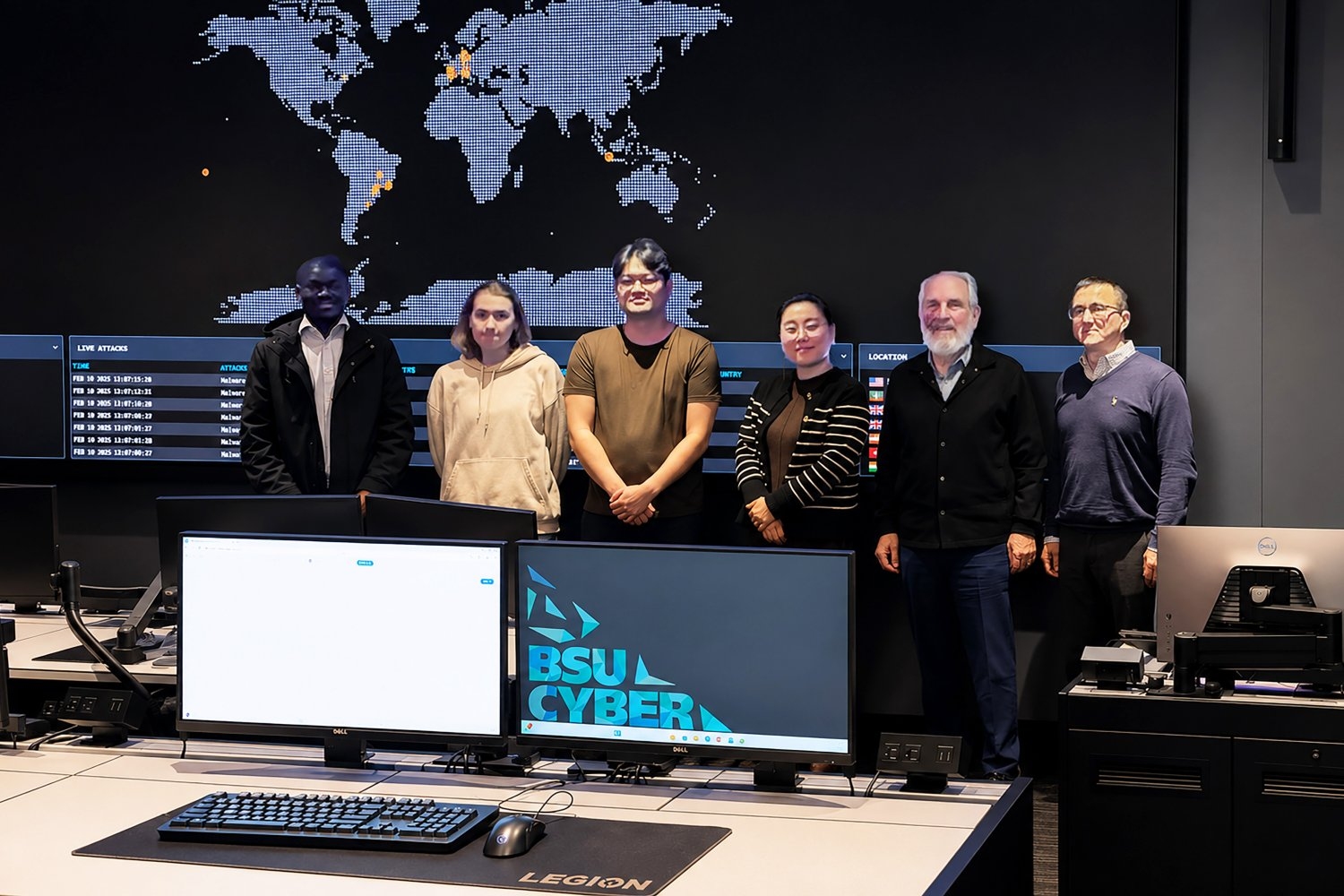
In May 2019, the government of Baltimore, Maryland, fell into chaos. Cybercriminals had locked the city out of many of its critical files and demanded payment to decrypt them. The city refused to pay ransom. The attack incapacitated a swath of services, including real estate transactions and bill payment, and recovery costs soared into the…
-

Robots walking down the street, surrounded by astounded onlookers, is an increasingly common sight. But these machines aren’t yet the do-it-all assistants you’d want working in a kitchen or factory, and a major bottleneck is data. Much like humans, robots learn best by experience. The challenge is that it’s labor-intensive and time-consuming to physically teach…
-

With the exploding popularity of generative artificial intelligence, many open-source models are now available online for anyone to adapt for their task, such as generating product renderings in a certain artistic style. But these models also find their way into the hands of nefarious actors who may optimize them to produce illegal content, like hate…
-

Most people think of the waterfront as the edge of the city. A team of MIT researchers sees it as a dynamic, Lego-like construction site. Their new system, called “FloatForm,” is a swarm of small square robotic boats that assemble themselves into larger structures on the water, break apart, and reassemble into something new, all…
-

In today’s world, artificial intelligence chatbots such as ChatGPT and Claude can perform many functions, such as composing work emails and planning travel itineraries. These chatbots are systems built around large vision-language models (VLMs): AI trained on a massive dataset that includes books, websites, code, and images. The AI algorithms are then refined on massive…
-
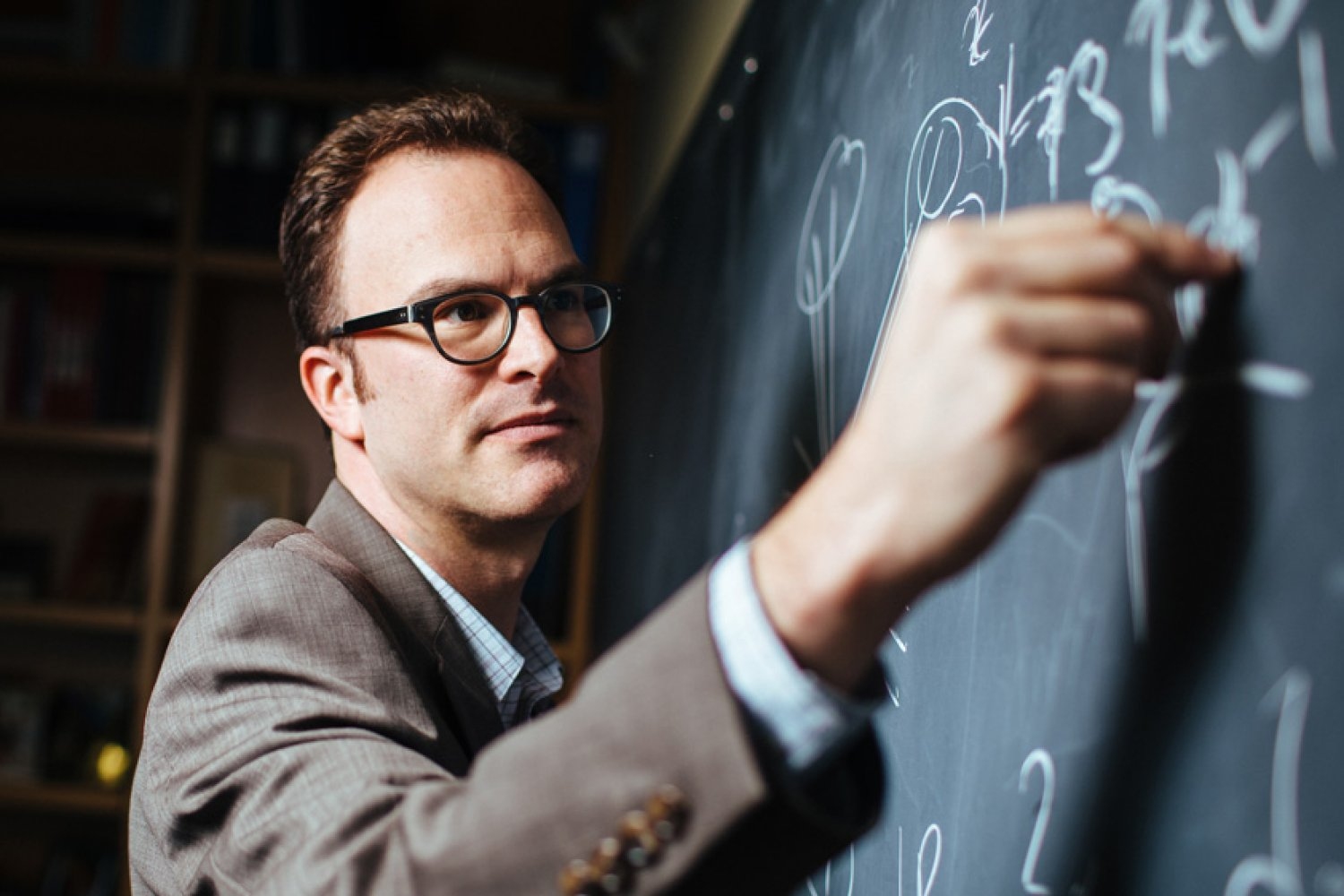
Professor Jesse Thaler has been named director of the MIT Laboratory for Nuclear Science (LNS), effective Aug. 1. He succeeds Professor Bolek Wyslouch, who directed LNS for the past decade. Thaler is a theoretical particle physicist who combines techniques from quantum field theory and machine learning to address outstanding questions in fundamental physics. “In his…
-
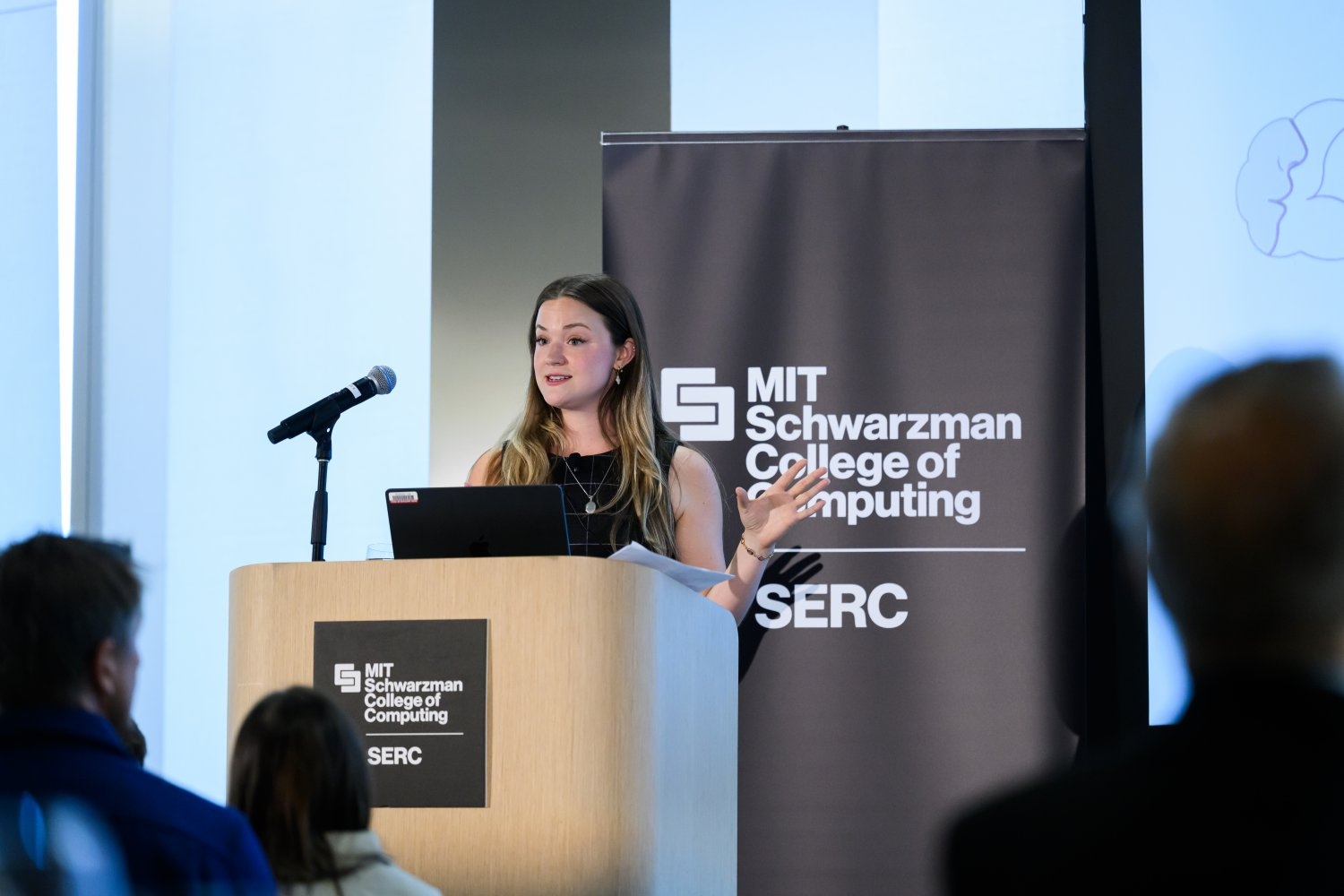
As advanced medical technology gets closer to hitting consumer markets, the need for guardrails on protected usage should increase. What might begin as a neural implant to aid in communication could become a device used to police one’s innermost thoughts. Intrigued by the far-reaching benefits and risks of neural implants, Rachel Sava, a PhD candidate…
-

Without federal support for curiosity-driven research, the innovation and talent pipeline that has helped ensure our nation’s prosperity and safety could run dry, warned President Sally Kornbluth during a Washington Post Live event. During “The Next Generation,” a panel discussion moderated by Washington Post reporter Zachary Goldfarb at The Washington Post’s “Building America Summit,” Kornbluth…
-

The deployment of automated software systems called AI agents has recently exploded. A November 2025 report by MIT Sloan School of Management and Boston Consulting Group found that 35 percent of surveyed businesses had already deployed AI agents, while another 44 percent planned to implement agentic AI soon. To understand the fundamentals and potential impacts of…
-

The MIT Music Technology and Computation (MTC) Graduate Program — launched in fall 2024 as a collaboration between the Music and Theater Arts Section in the School of Humanities, Arts, and Social Sciences (SHASS), and the School of Engineering (SoE) — presented its inaugural MIT Music Technology Research Showcase on May 13. The event played…