
Category: Uncategorized
-

Today, there are 94 nuclear reactors operating in the United States, more than in any other country in the world, and these units collectively provide nearly 20 percent of the nation’s electricity. That is a major accomplishment, according to Dean Price, but he believes that our country needs much more out of nuclear energy, especially…
-

Artificial intelligence is increasingly being used to help optimize decision-making in high-stakes settings. For instance, an autonomous system can identify a power distribution strategy that minimizes costs while keeping voltages stable. But while these AI-driven outputs may be technically optimal, are they fair? What if a low-cost power distribution strategy leaves disadvantaged neighborhoods more vulnerable…
-
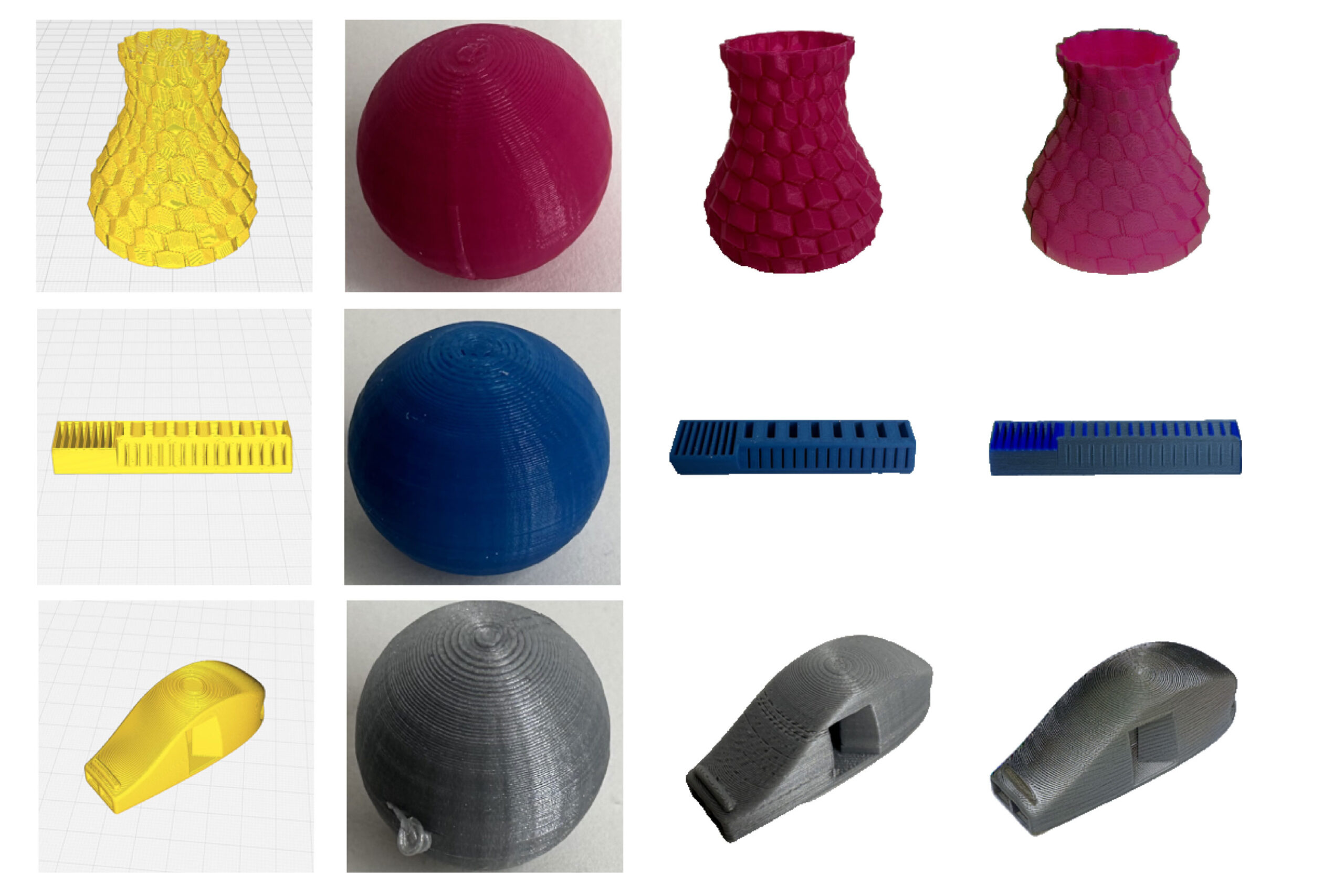
Designers, makers, and others often use 3D printing to rapidly prototype a range of functional objects, from movie props to medical devices. Accurate print previews are essential so users know a fabricated object will perform as expected. But previews generated by most 3D-printing software focus on function rather than aesthetics. A printed object may end…
-
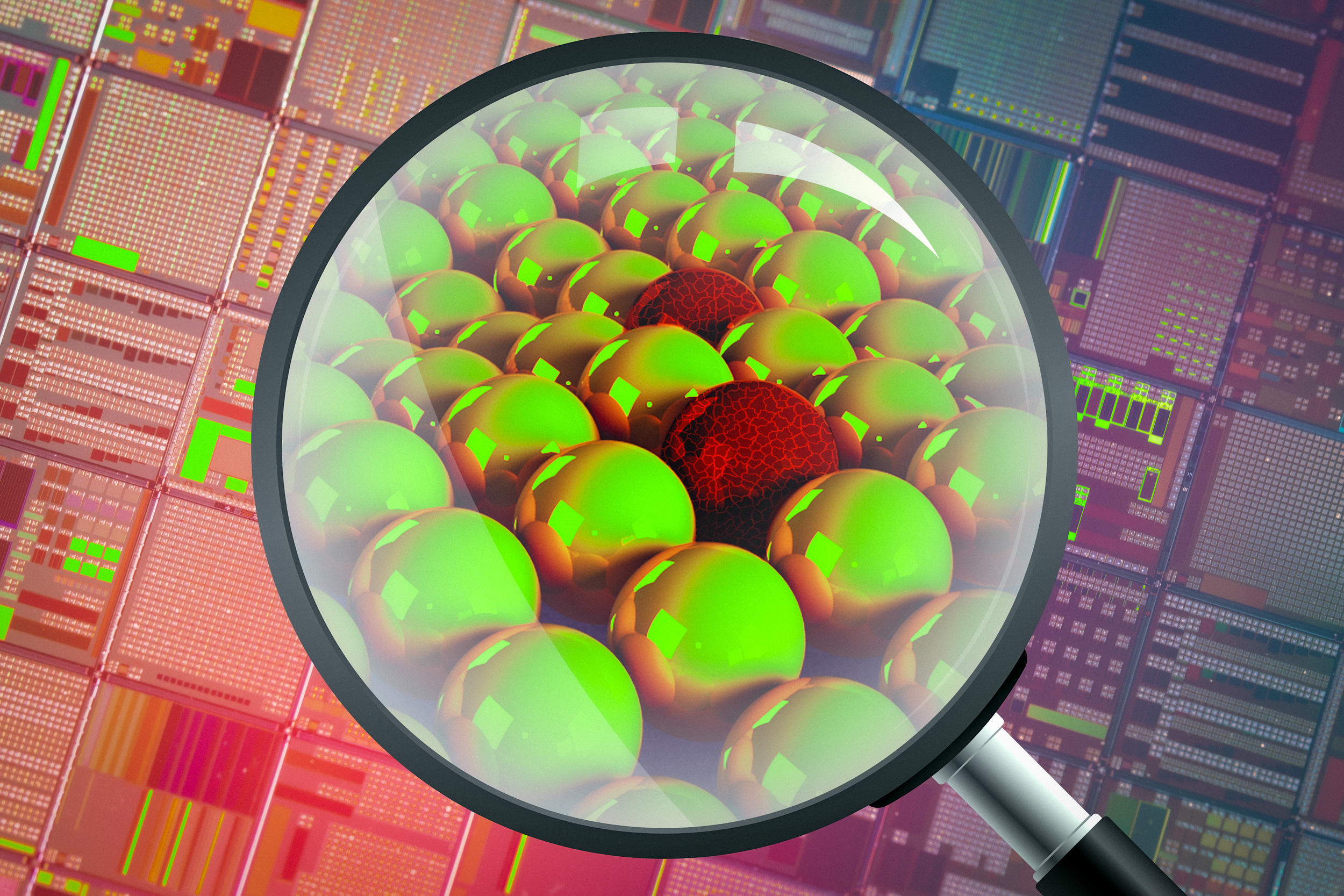
In biology, defects are generally bad. But in materials science, defects can be intentionally tuned to give materials useful new properties. Today, atomic-scale defects are carefully introduced during the manufacturing process of products like steel, semiconductors, and solar cells to help improve strength, control electrical conductivity, optimize performance, and more. But even as defects have…
-

Growing up in Mexico and Texas, Mariano Salcedo ’25 couldn’t readily indulge his passion for creating music. “There are no bands in Mexican public schools,” he says. While some families could pay for instruments and lessons, others, like Salcedo’s, were less fortunate. “I’ve always loved music,” he continues. “I was a listener.” Salcedo, the Alex…
-
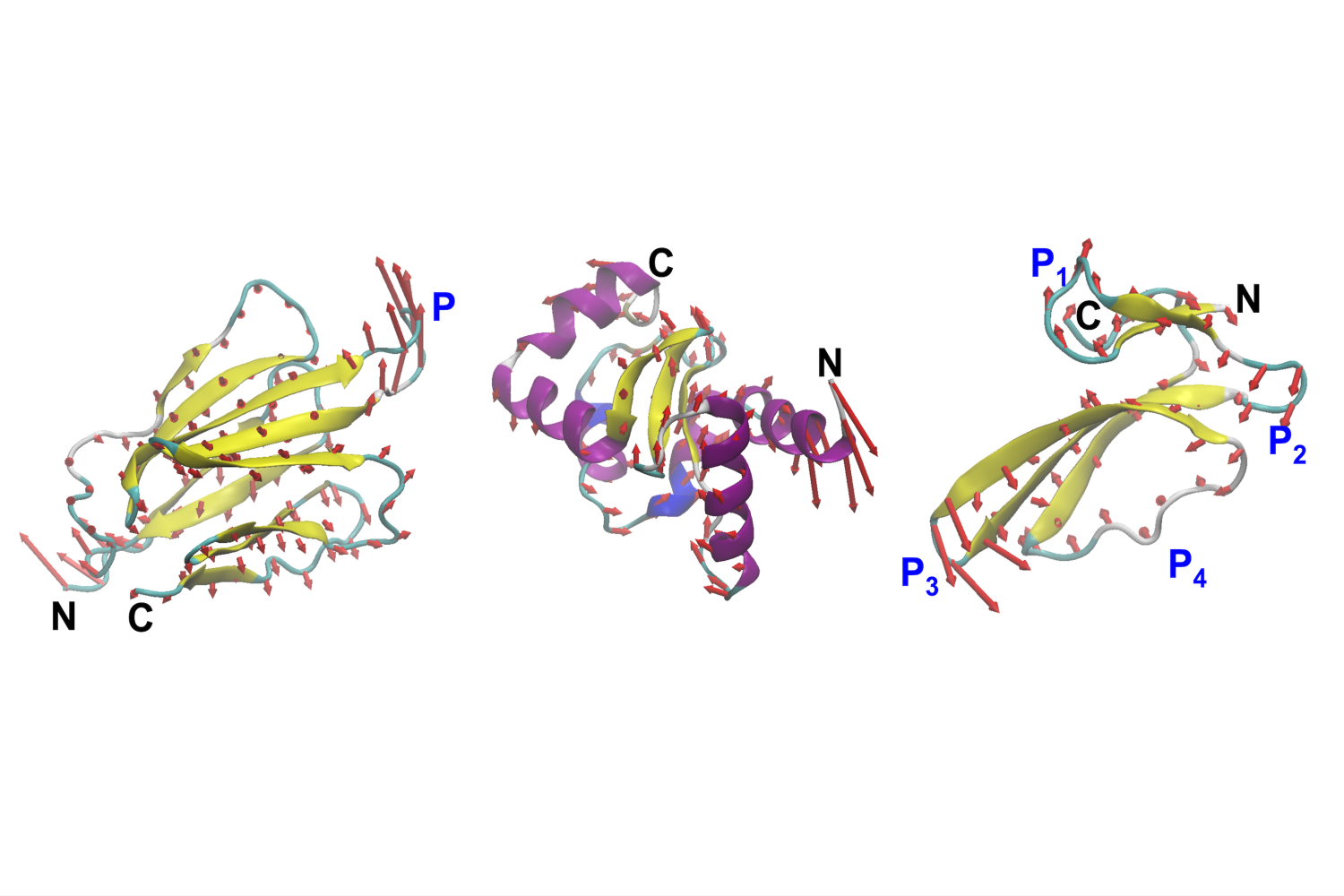
Proteins are far more than nutrients we track on a food label. Present in every cell of our bodies, they work like nature’s molecular machines. They walk, stretch, bend, and flex to do their jobs, pumping blood, fighting disease, building tissue, and many other jobs too small for the eye to see. Their power doesn’t…
-

Inside a giant autonomous warehouse, hundreds of robots dart down aisles as they collect and distribute items to fulfill a steady stream of customer orders. In this busy environment, even small traffic jams or minor collisions can snowball into massive slowdowns. To avoid such an avalanche of inefficiencies, researchers from MIT and the tech firm…
-
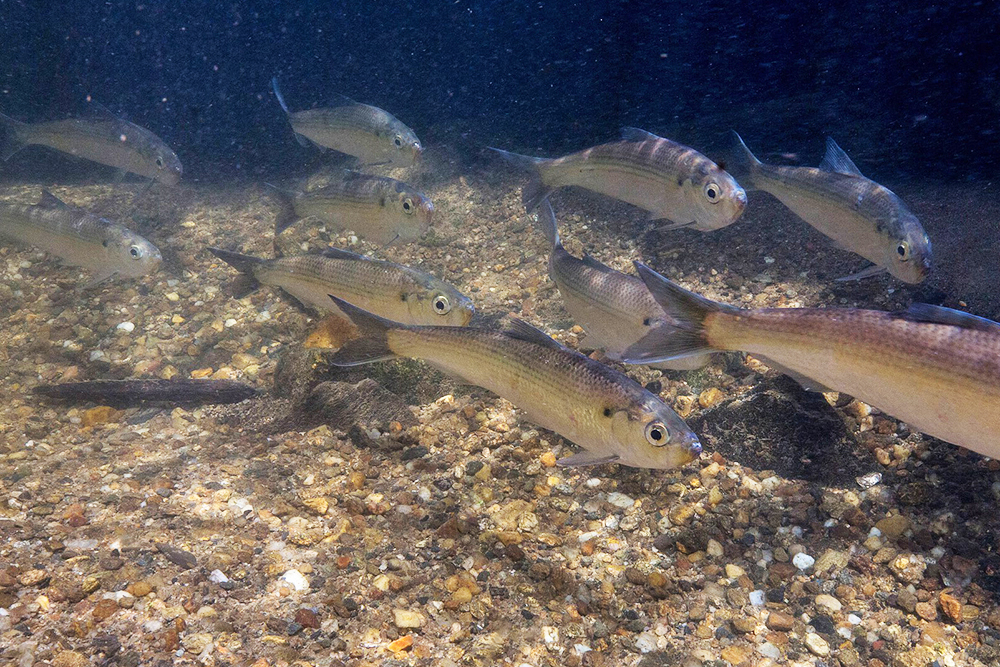
Each spring, river herring populations migrate from Massachusetts coastal waters to begin their annual journey up rivers and streams to freshwater spawning habitat. River herring have faced severe population declines over the past several decades, and their migration is extensively monitored across the region, primarily through traditional visual counting and volunteer-based programs. Monitoring fish movement and…
-
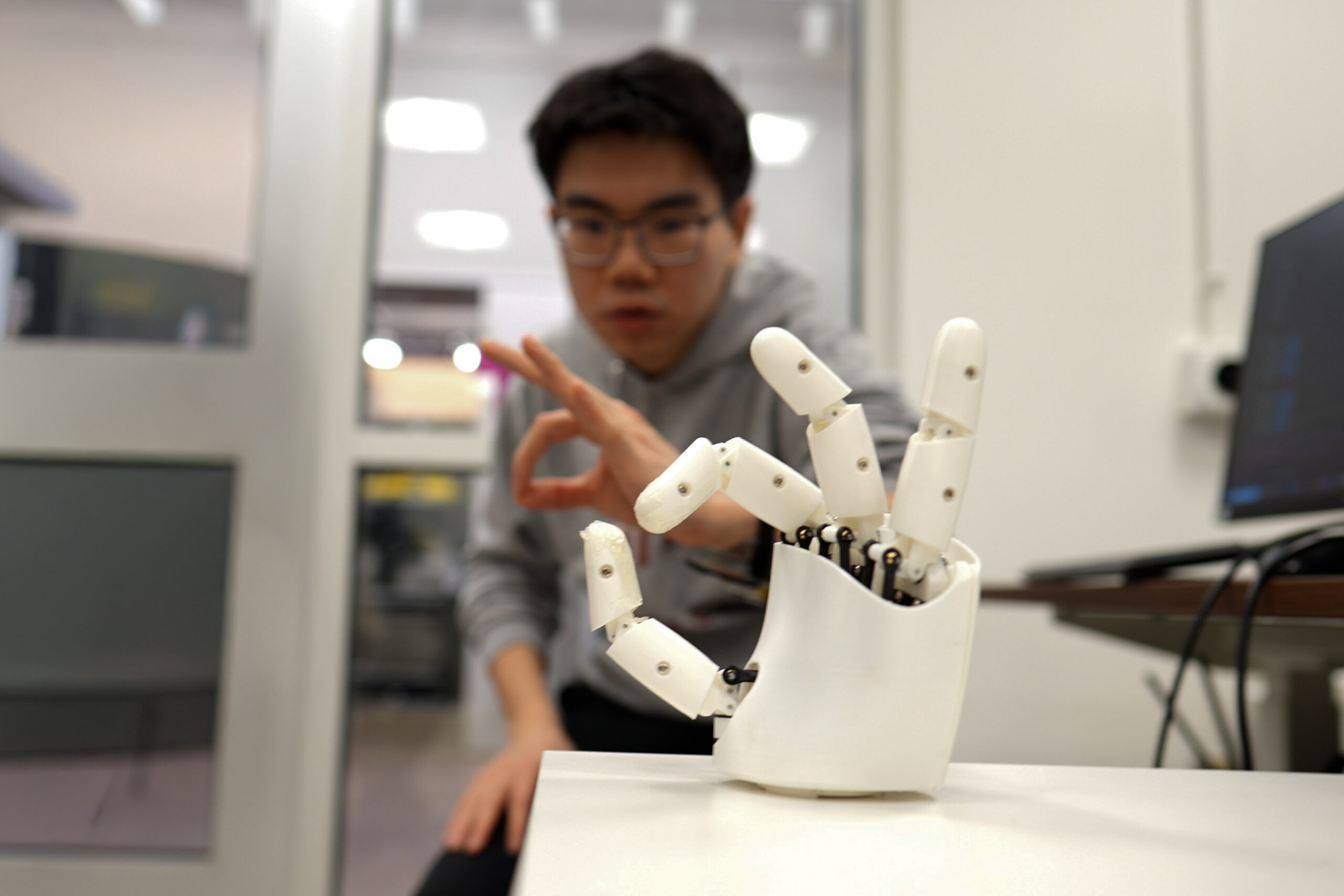
The next time you’re scrolling your phone, take a moment to appreciate the feat: The seemingly mundane act is possible thanks to the coordination of 34 muscles, 27 joints, and over 100 tendons and ligaments in your hand. Indeed, our hands are the most nimble parts of our bodies. Mimicking their many nuanced gestures has…
-

Artificial intelligence holds promise for helping doctors diagnose patients and personalize treatment options. However, an international group of scientists led by MIT cautions that AI systems, as currently designed, carry the risk of steering doctors in the wrong direction because they may overconfidently make incorrect decisions. One way to prevent these mistakes is to program…