
Category: Uncategorized
-

Two current MIT affiliates and seven additional alumni are among those named to the 2025 cohort of AI2050 Fellows. Zongyi Li, a postdoc in the MIT Computer Science and Artificial Intelligence Lab, and Tess Smidt ’12, an associate professor of electrical engineering and computer science (EECS), were both named as AI2050 Early Career Fellows. Seven…
-
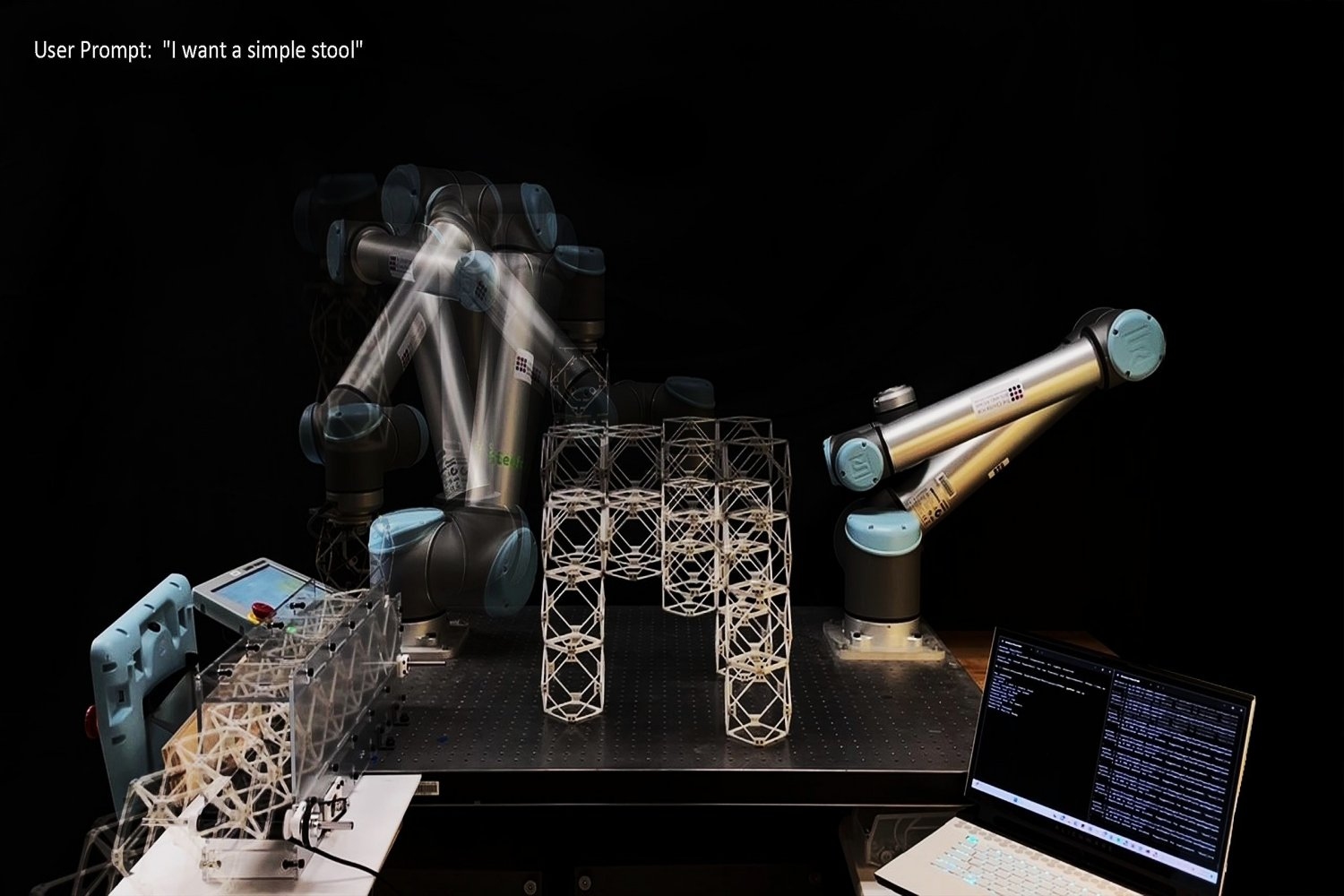
Generative AI and robotics are moving us ever closer to the day when we can ask for an object and have it created within a few minutes. In fact, MIT researchers have developed a speech-to-reality system, an AI-driven workflow that allows them to provide input to a robotic arm and “speak objects into existence,” creating…
-
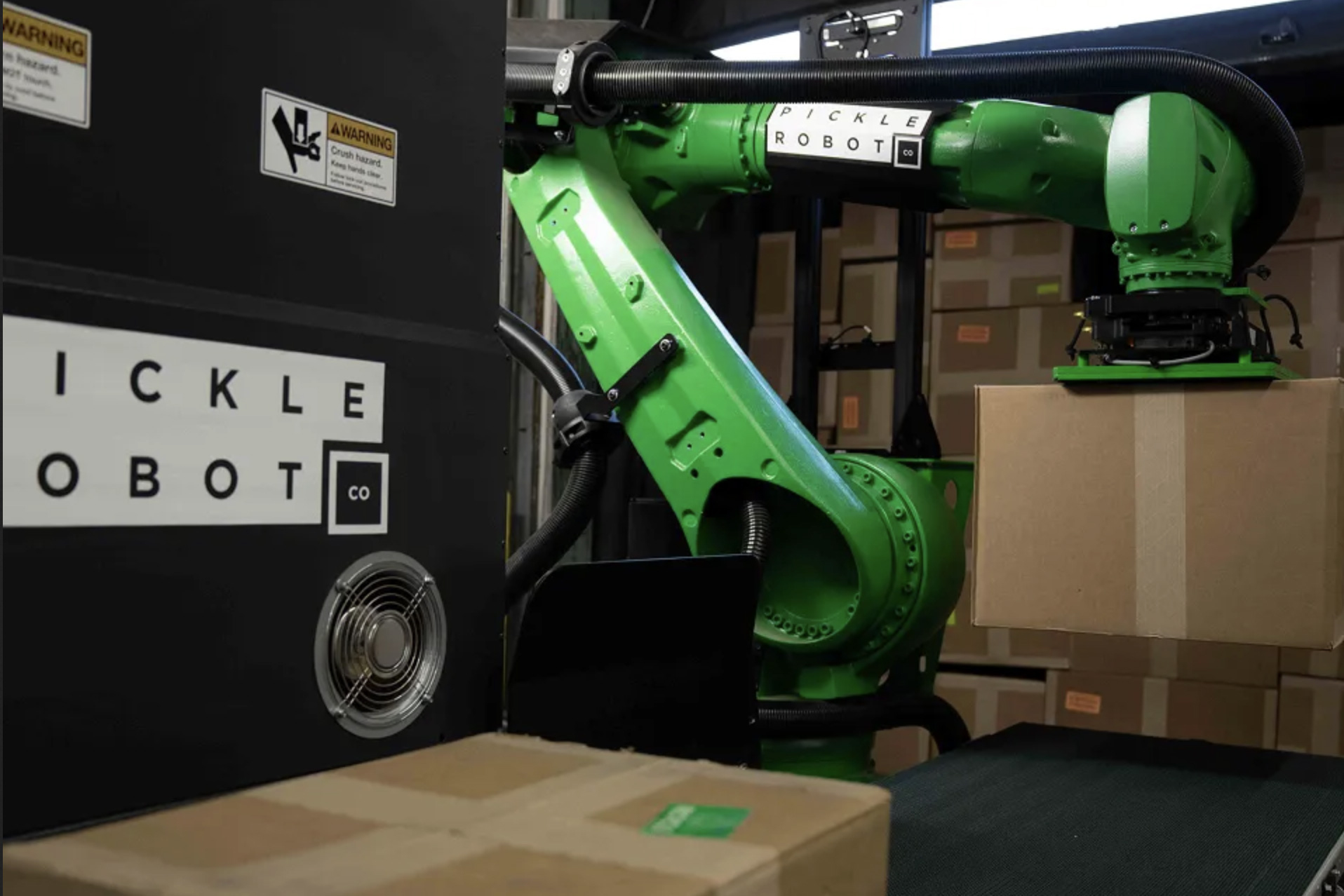
There are some jobs human bodies just weren’t meant to do. Unloading trucks and shipping containers is a repetitive, grueling task — and a big reason warehouse injury rates are more than twice the national average. The Pickle Robot Company wants its machines to do the heavy lifting. The company’s one-armed robots autonomously unload trailers,…
-

To make large language models (LLMs) more accurate when answering harder questions, researchers can let the model spend more time thinking about potential solutions. But common approaches that give LLMs this capability set a fixed computational budget for every problem, regardless of how complex it is. This means the LLM might waste computational resources on simpler…
-

In the future, tiny flying robots could be deployed to aid in the search for survivors trapped beneath the rubble after a devastating earthquake. Like real insects, these robots could flit through tight spaces larger robots can’t reach, while simultaneously dodging stationary obstacles and pieces of falling rubble. So far, aerial microrobots have only been…
-
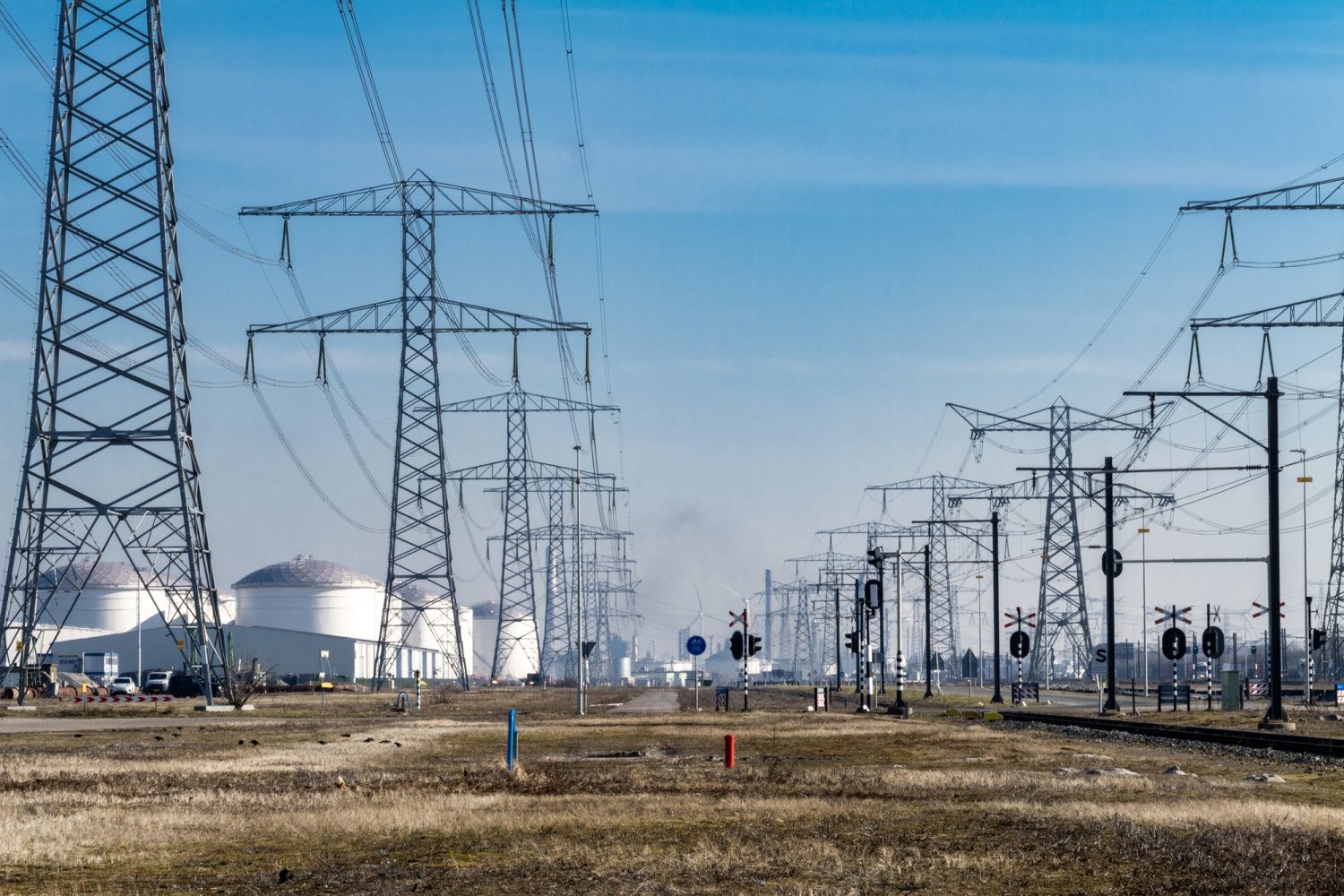
A new computer modeling tool developed by an MIT Energy Initiative (MITEI) research team will help infrastructure planners working in the electricity and other energy-intensive sectors better predict and prepare for future needs and conditions as they develop plans for power generation capacity, transmission lines, and other necessary infrastructure. The tool could reduce the amount…
-

Imagine having a continuum soft robotic arm bend around a bunch of grapes or broccoli, adjusting its grip in real time as it lifts the object. Unlike traditional rigid robots that generally aim to avoid contact with the environment as much as possible and stay far away from humans for safety reasons, this arm senses…
-
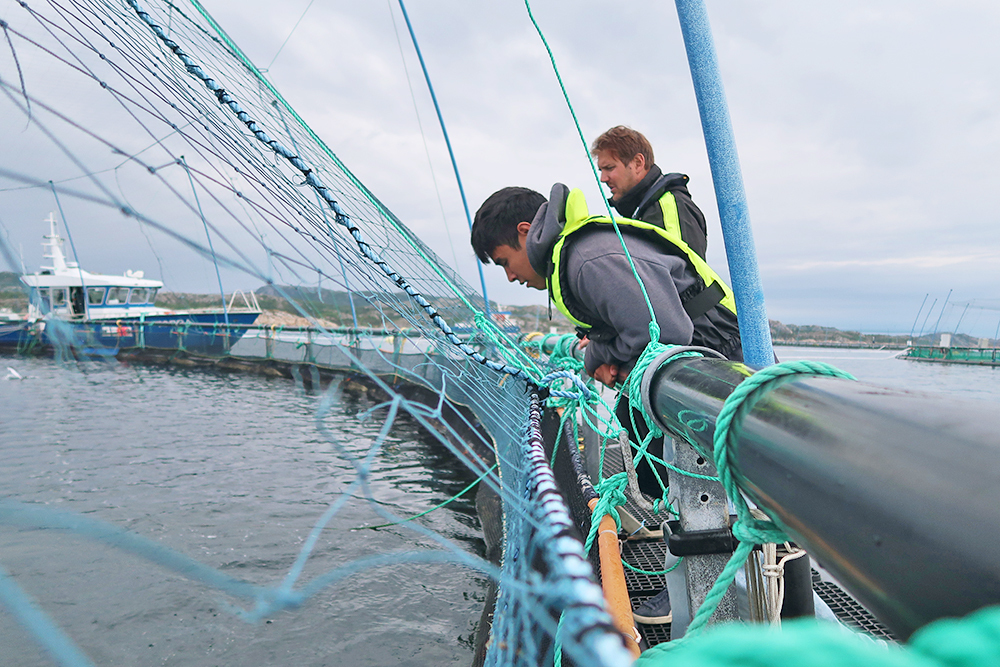
Norway is the world’s largest producer of farmed Atlantic salmon and a top exporter of seafood, while the United States remains the largest importer of these products, according to the Food and Agriculture Organization. Two MIT students recently traveled to Trondheim, Norway to explore the cutting-edge technologies being developed and deployed in offshore aquaculture. Beckett…
-
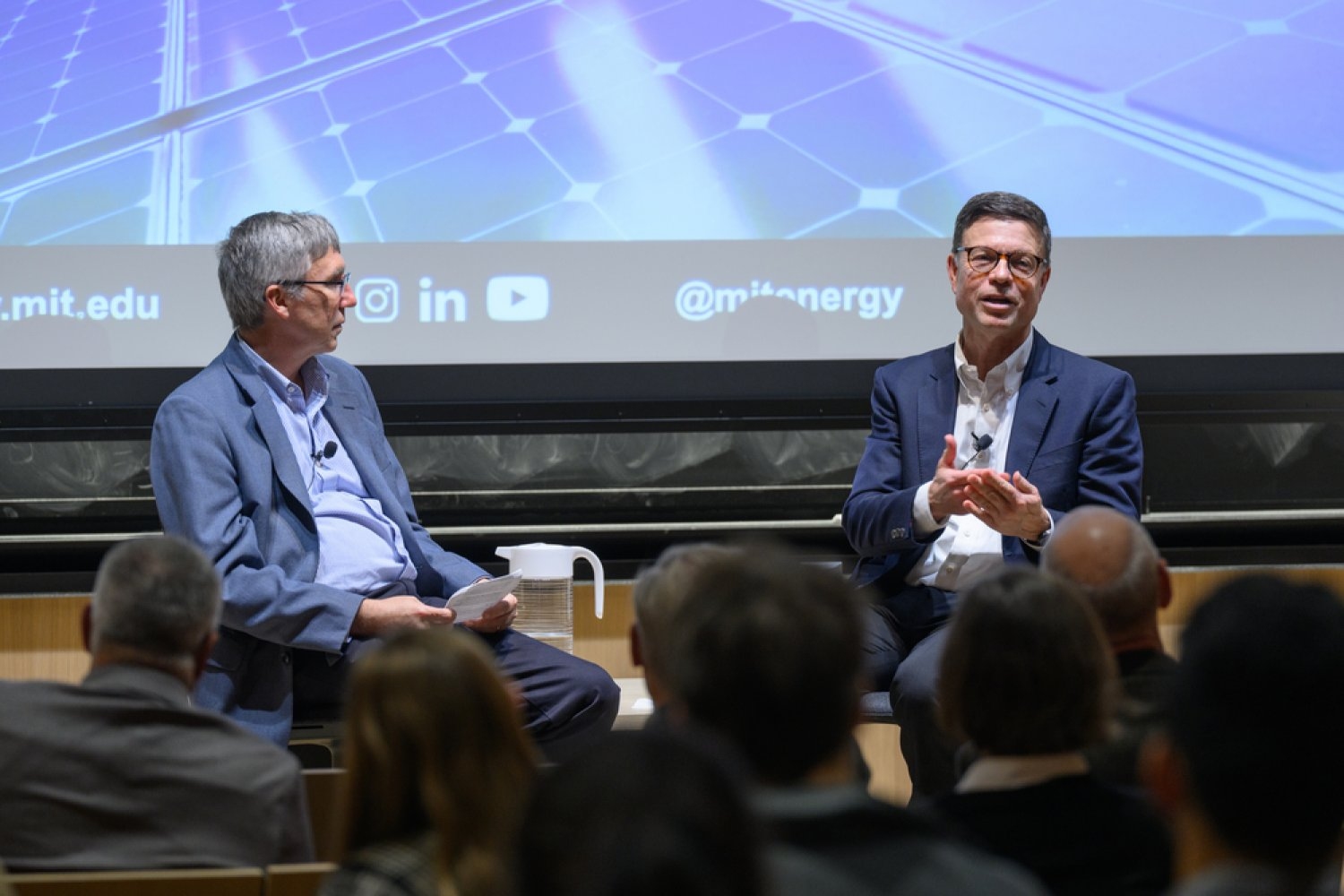
Advancements in battery innovation are transforming both mobility and energy systems alike, according to Kurt Kelty, vice president of battery, propulsion, and sustainability at General Motors (GM). At the MIT Energy Initiative (MITEI) Fall Colloquium, Kelty explored how GM is bringing next-generation battery technologies from lab to commercialization, driving American battery innovation forward. The colloquium…
-
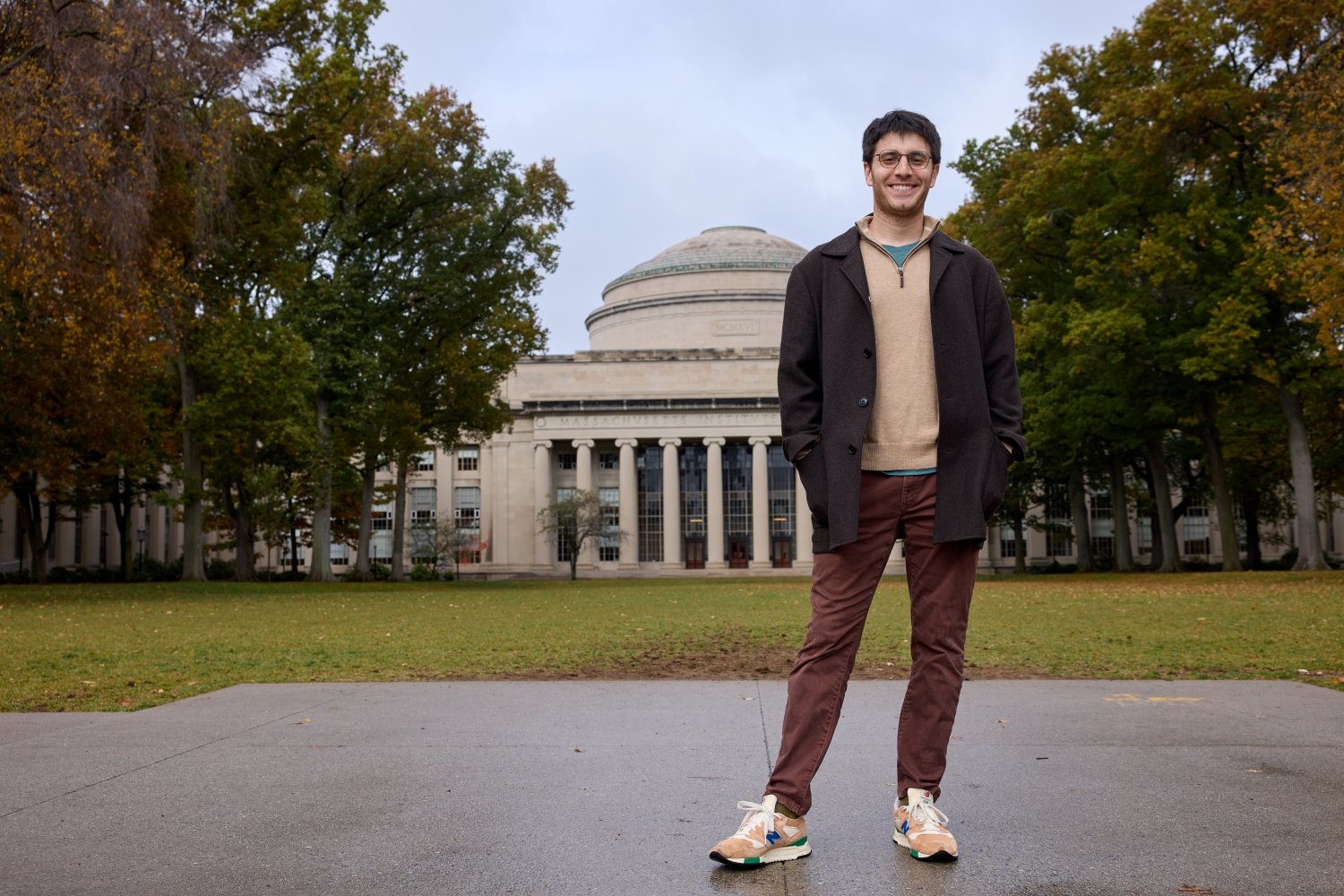
“MIT hasn’t just prepared me for the future of work — it’s pushed me to study it. As AI systems become more capable, more of our online activity will be carried out by artificial agents. That raises big questions: How should we design these systems to understand our preferences? What happens when AI begins making…